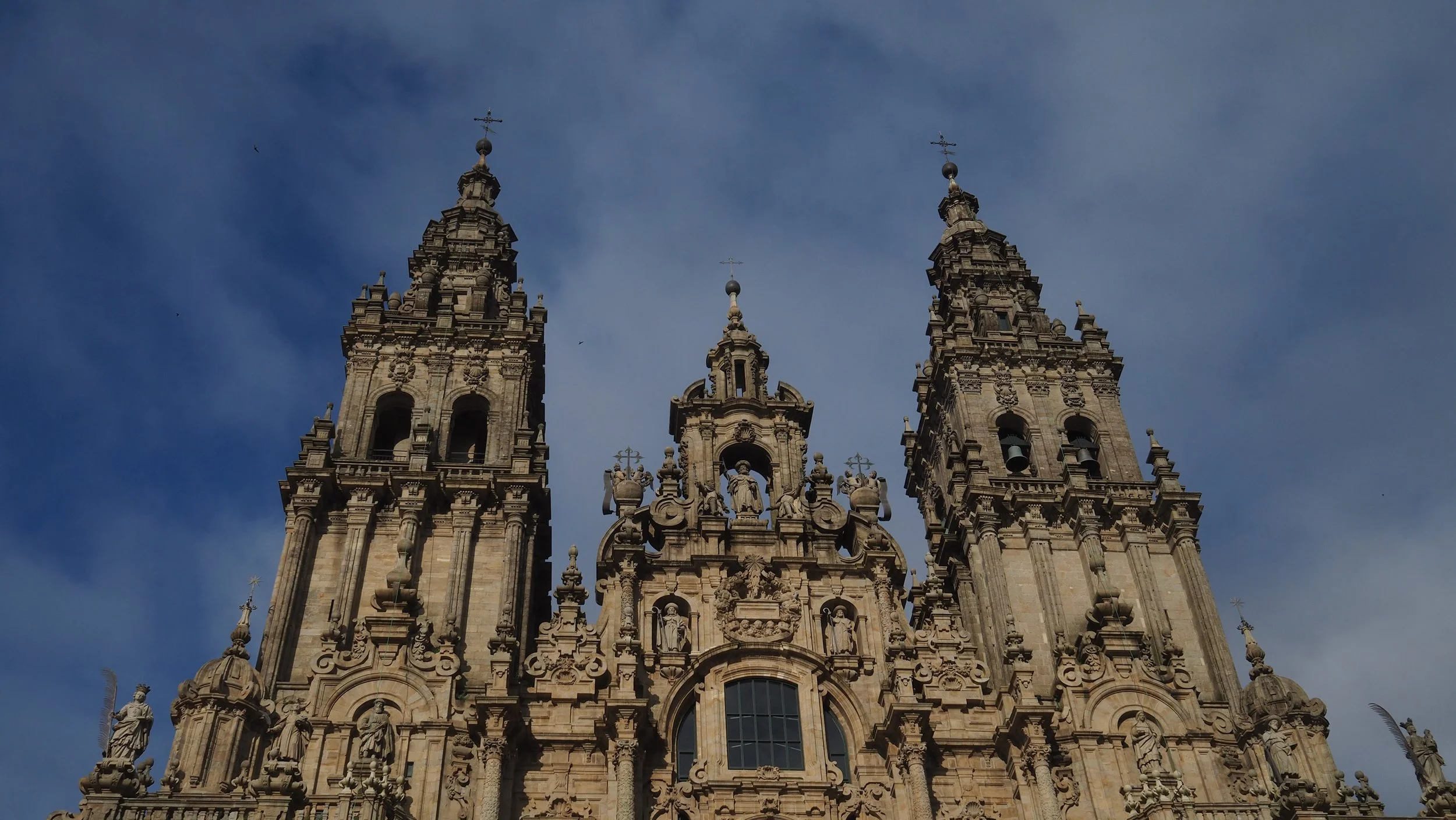
more santi & another cathedral story
before i head to the cathedral roof-top tour, i have a plan to stick to this afternoon.
siesta followed by a massage.
i manage a siesta of an hour and then sleep some more on the massage table. well, almost. there are a few location on my body where the tender touch i receive causes me to let out a soft or not so soft groan. otherwise, it is a wonderful experience after the long hike. touch, scent, quiet music, raspy paper to wipe off the oil, the wobbly sounds made by the plastic cup she uses for whatever purpose they serve (?), deep pressure where it truly hurts, feeling her way forward to where the weight of the mochilla has left its marks. if you need a recommendation, just give me a shout. i’ll be back after my next camino de santiago.


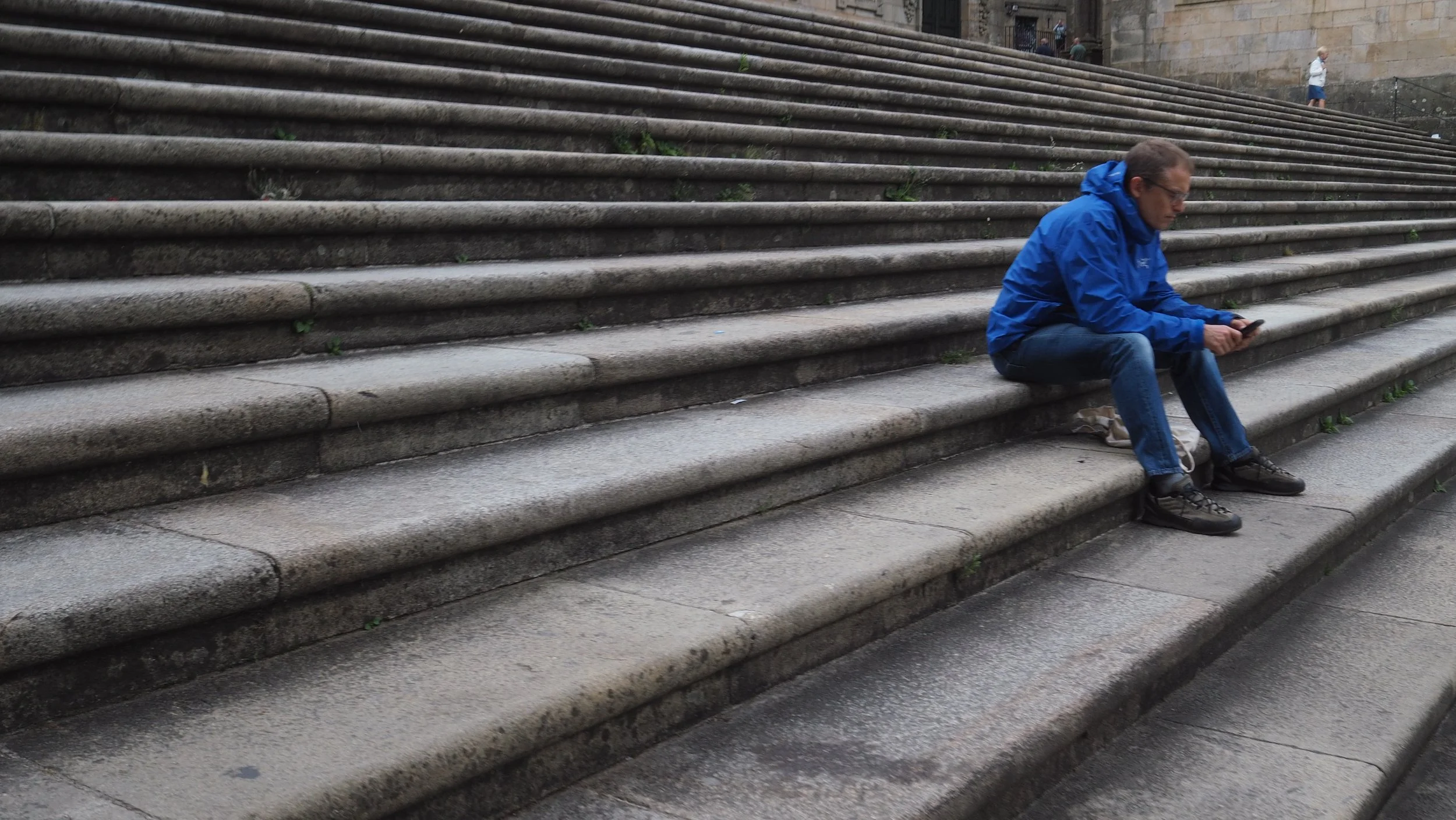
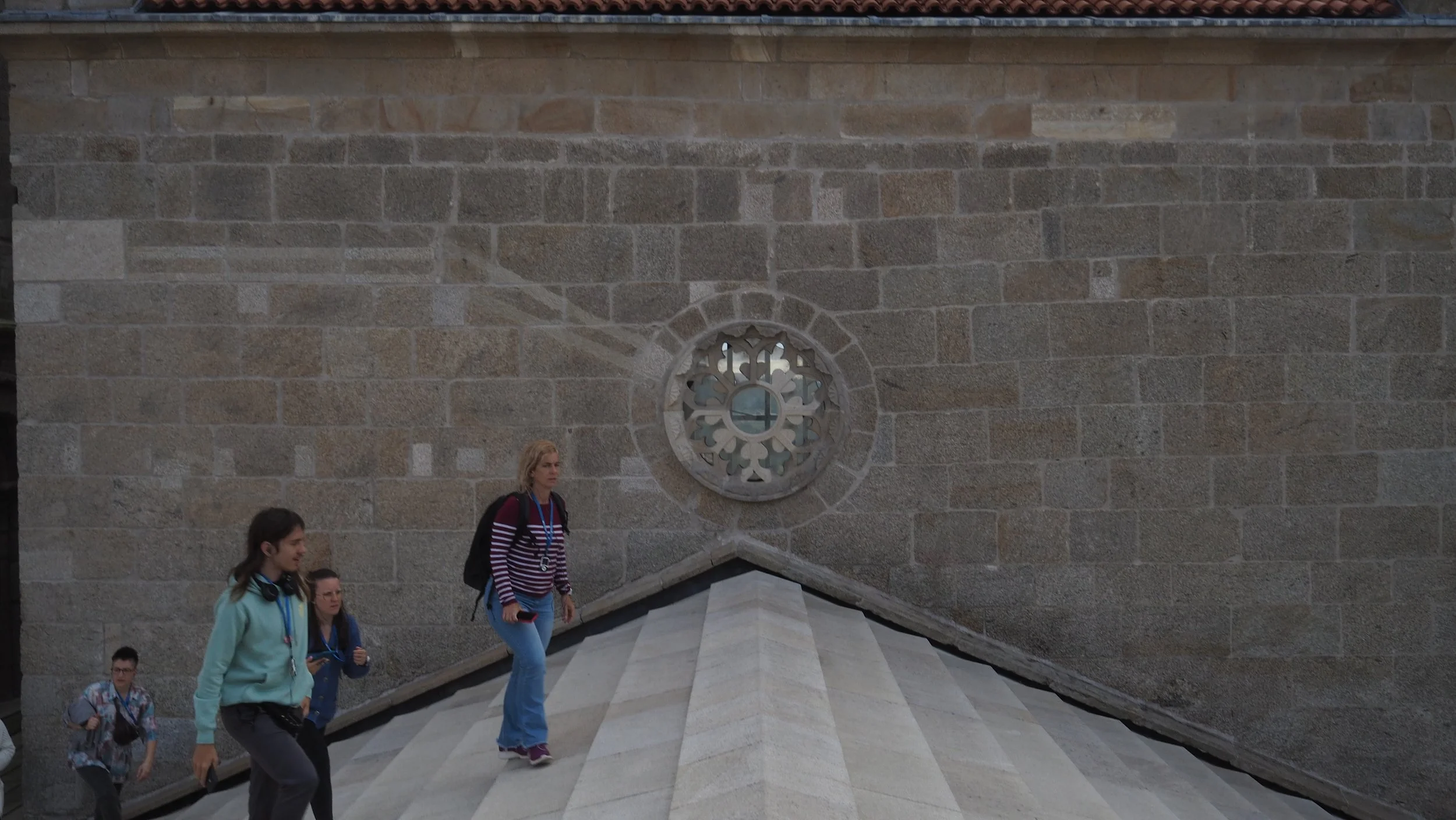
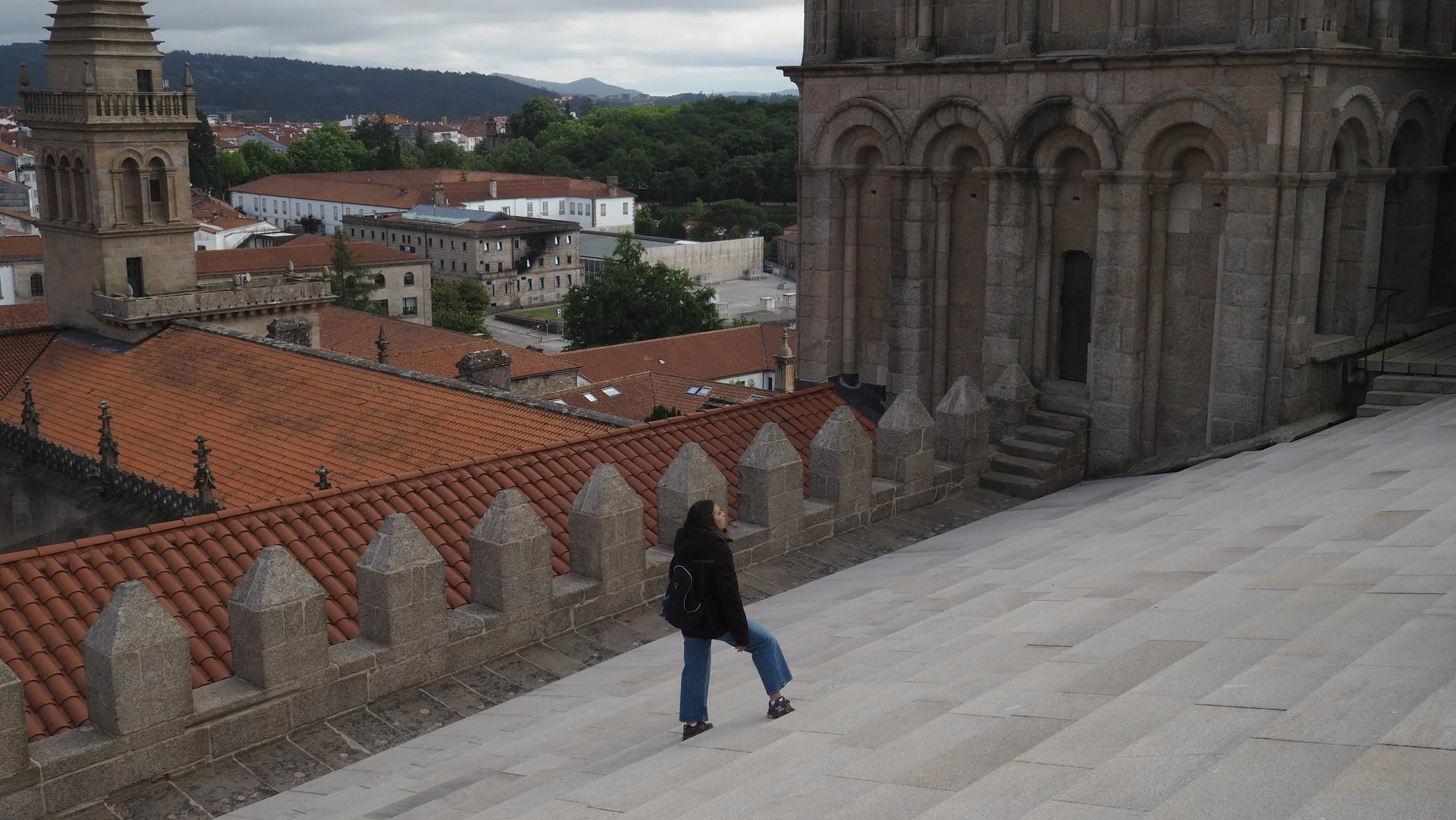
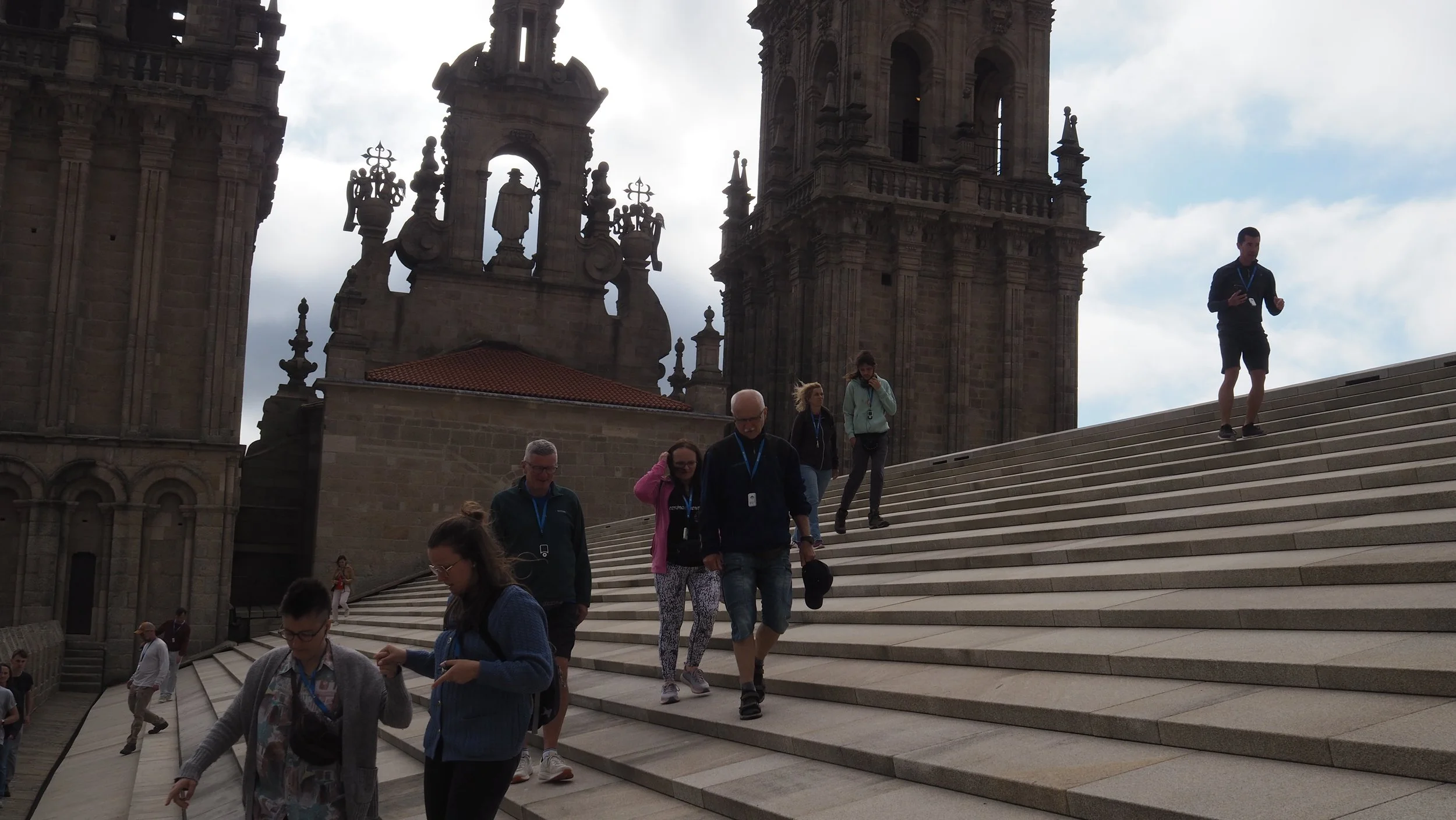
i counted 185 steps up to the roof. nothing a seasoned pilgrim can’t do.
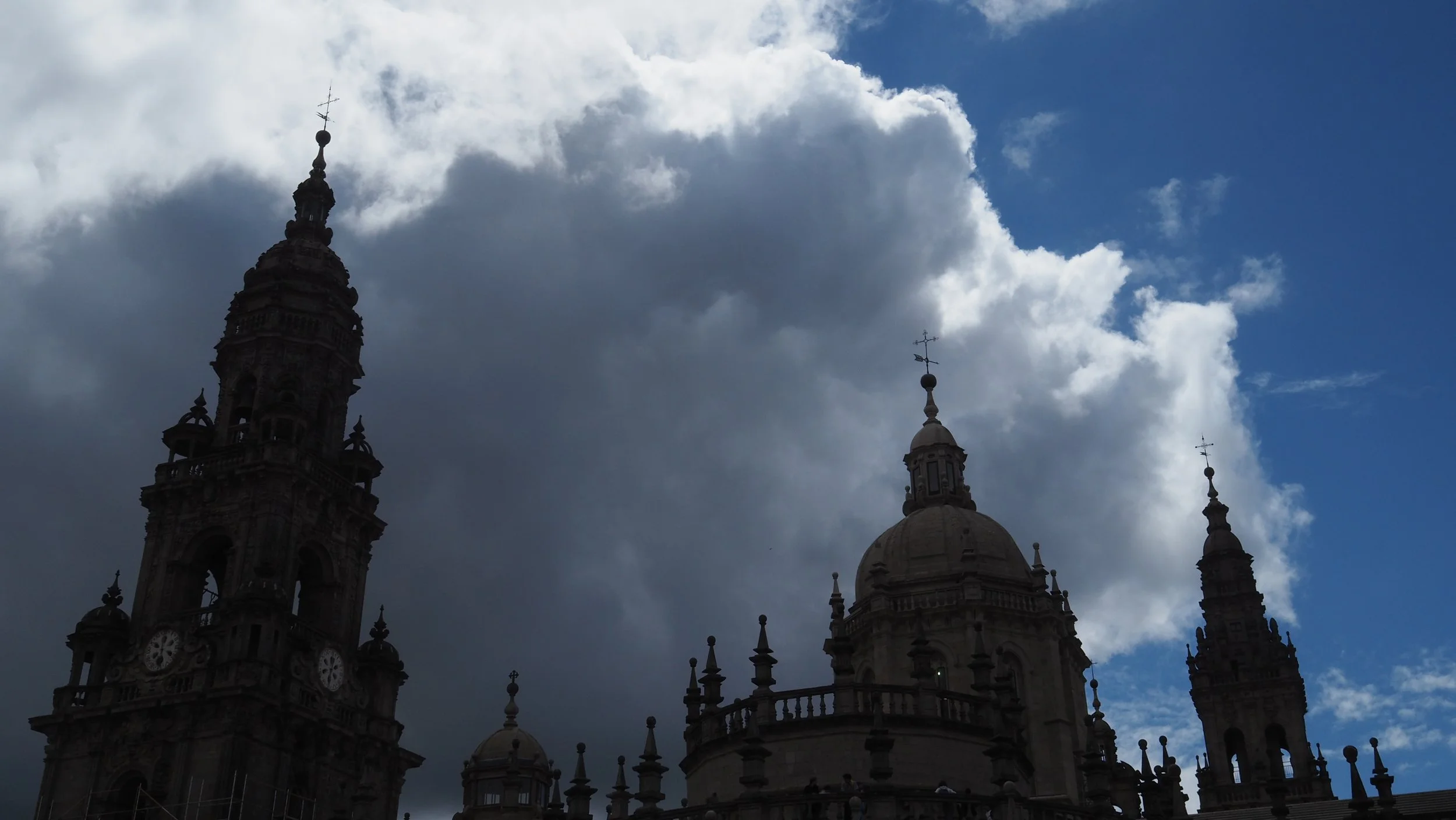
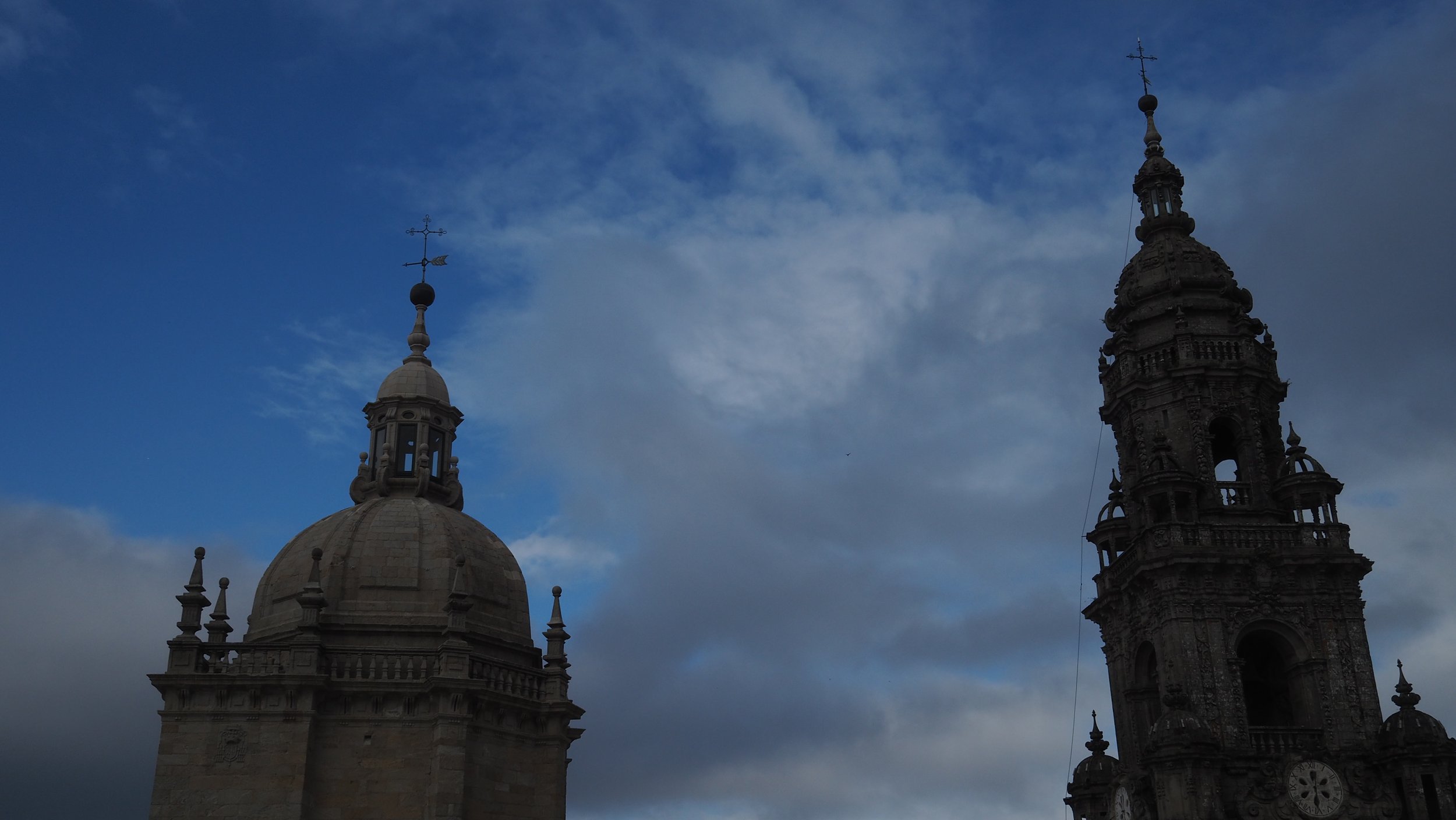
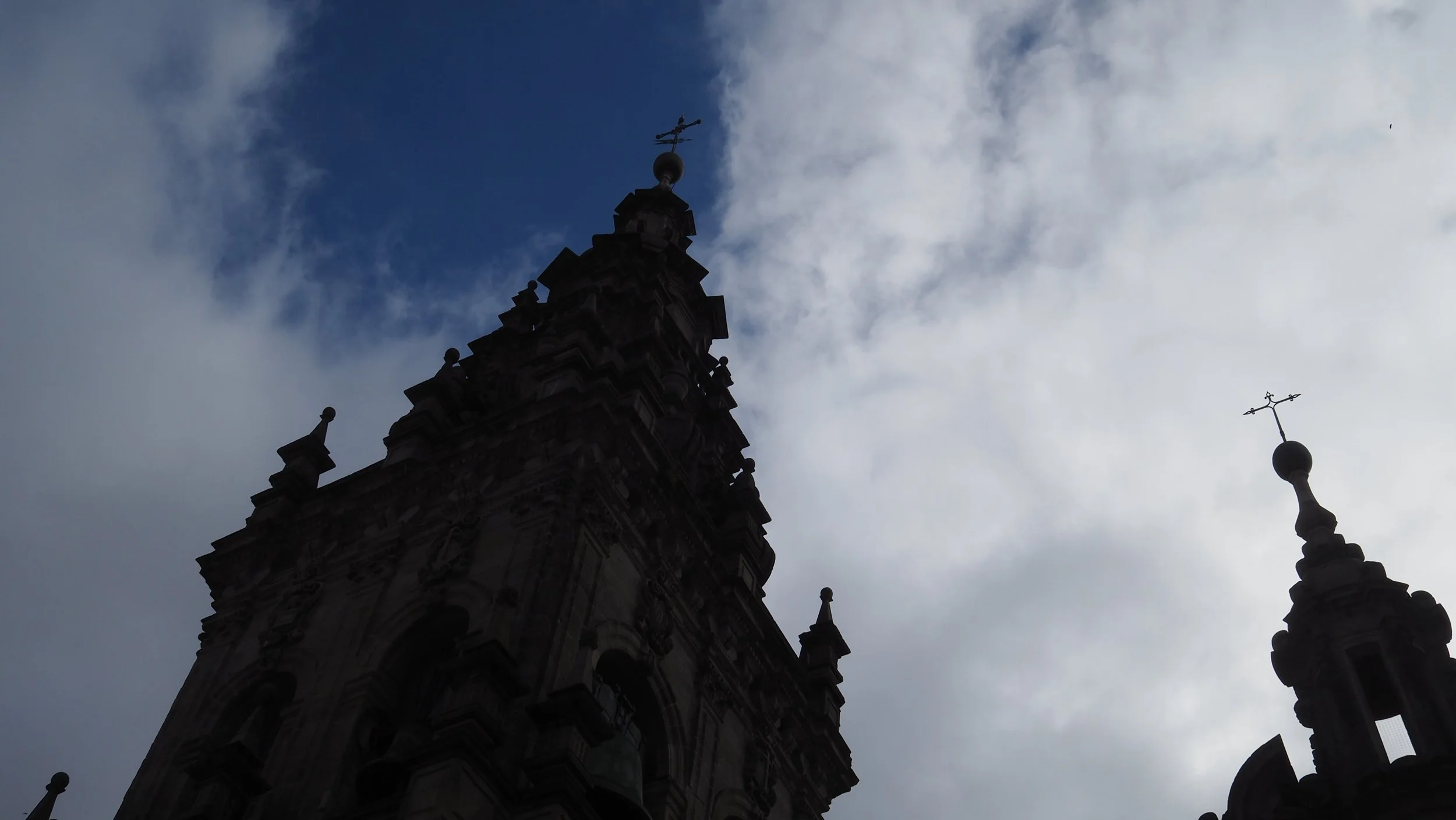
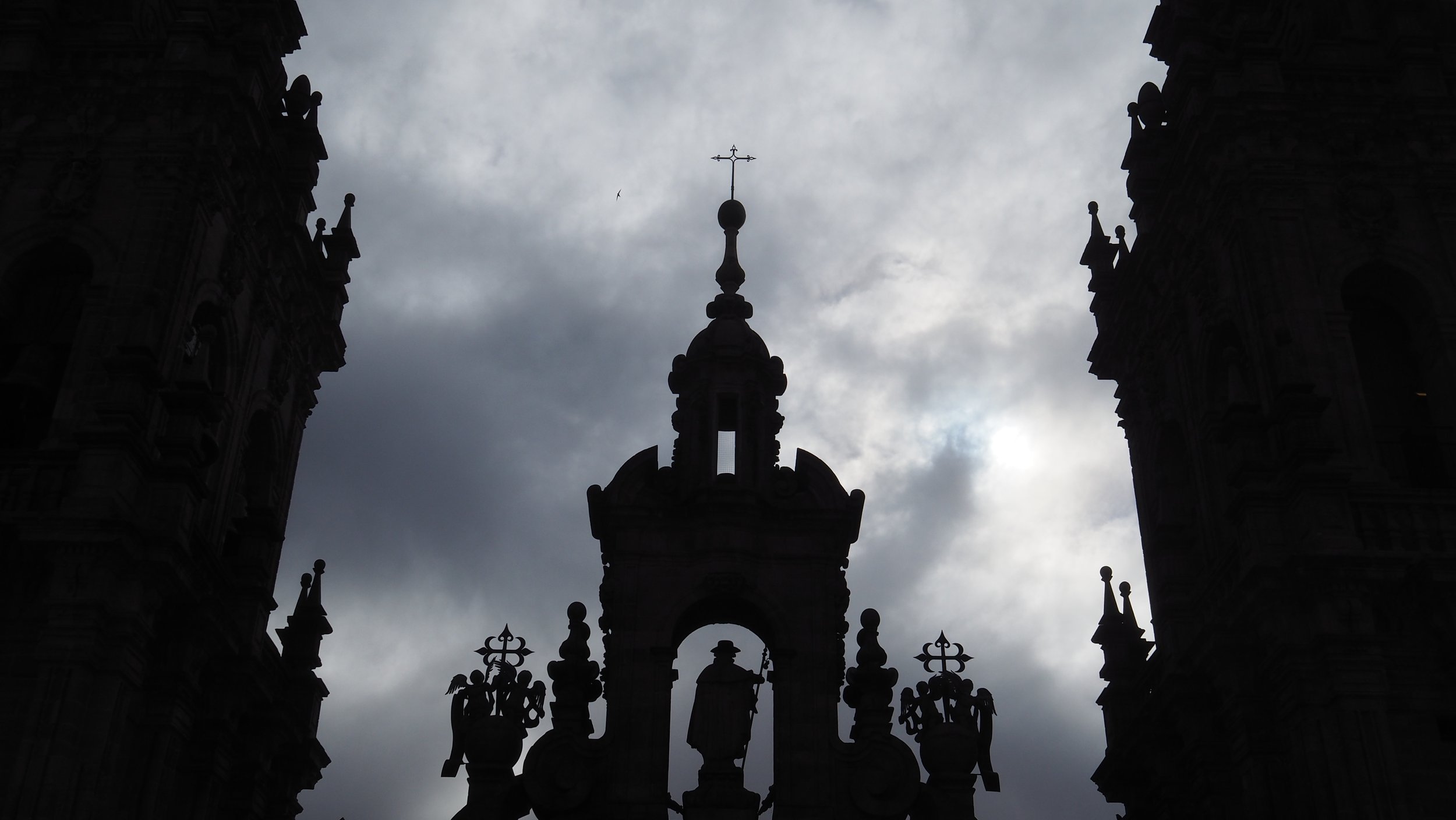
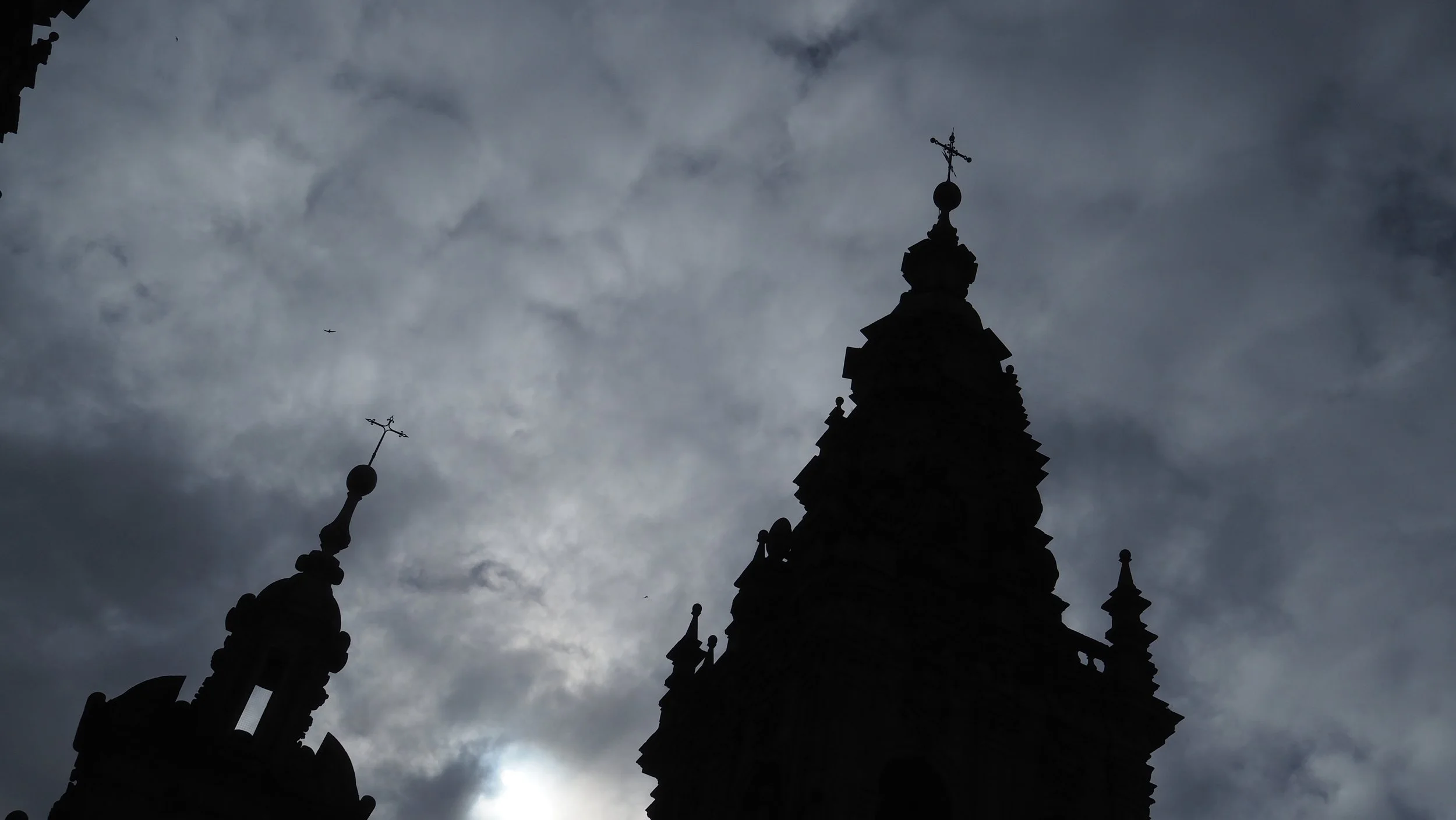
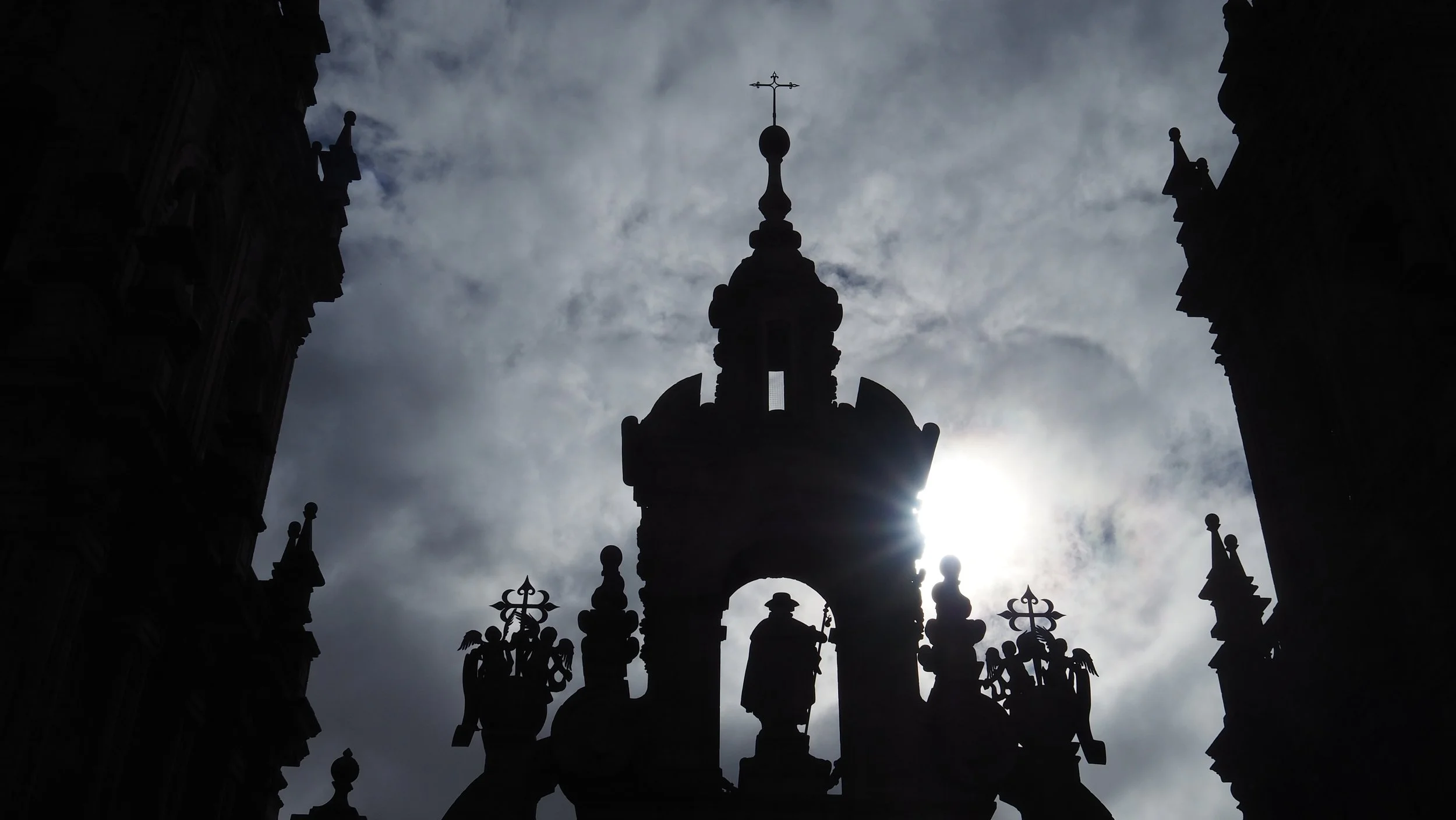
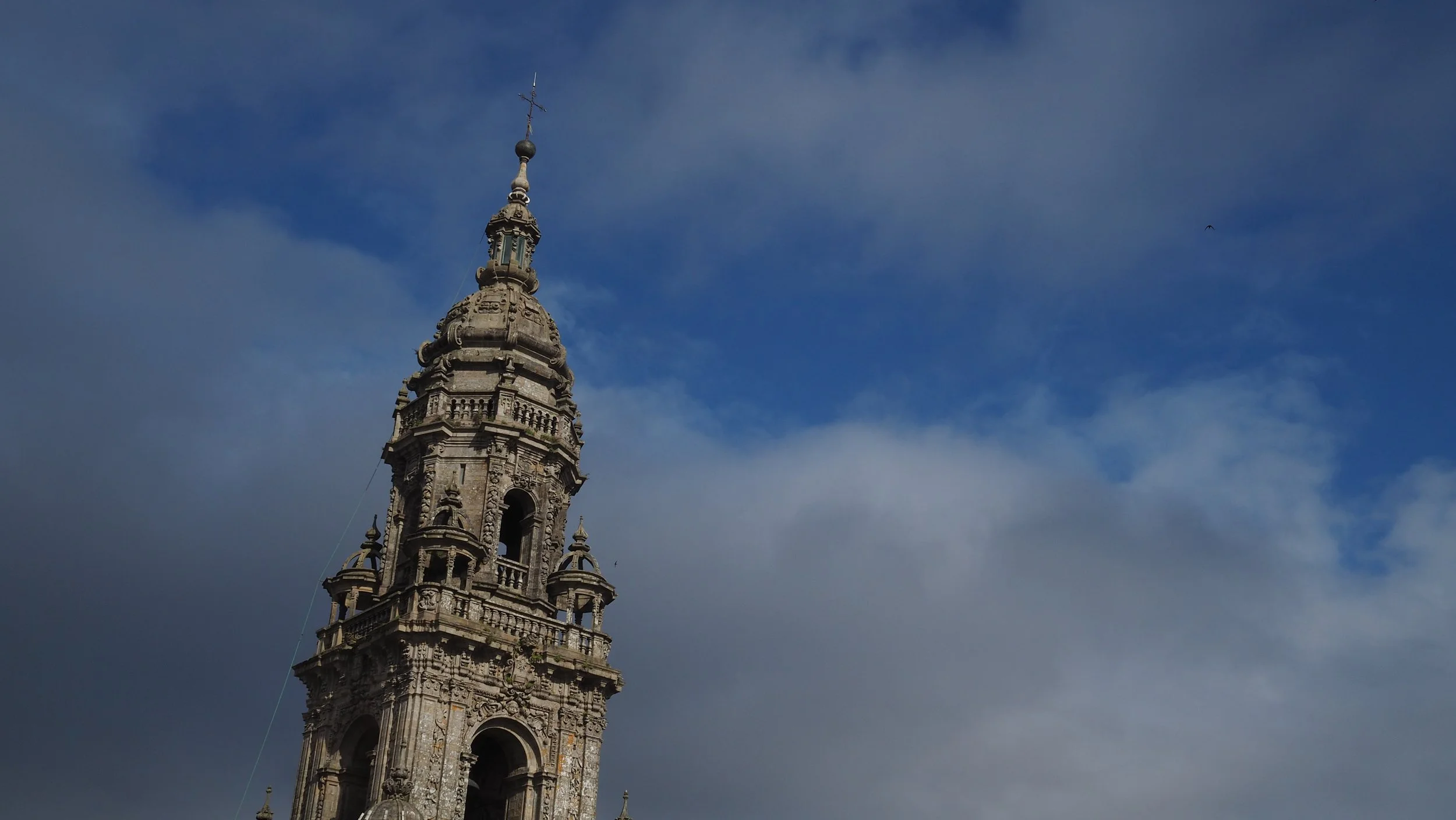
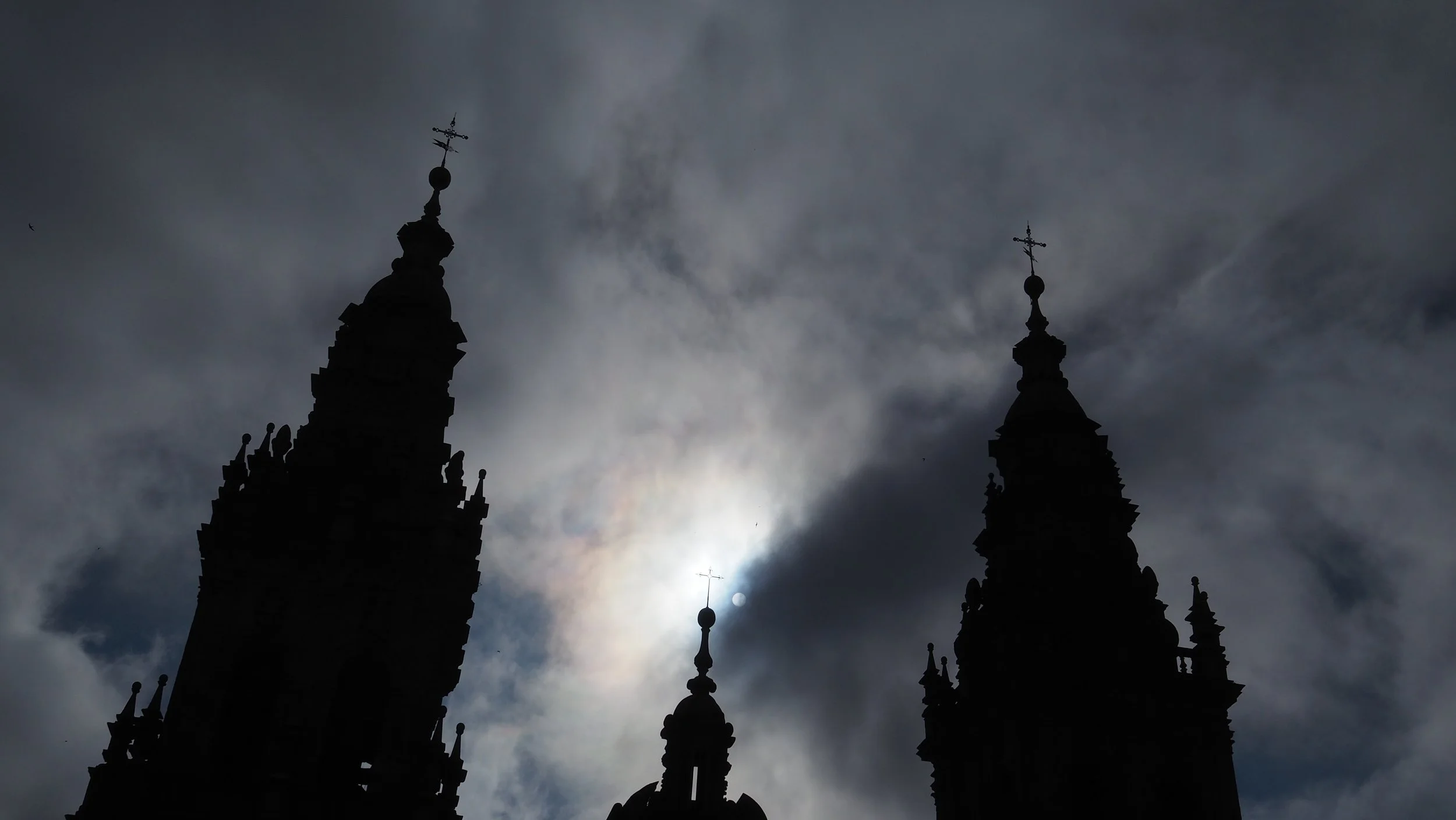
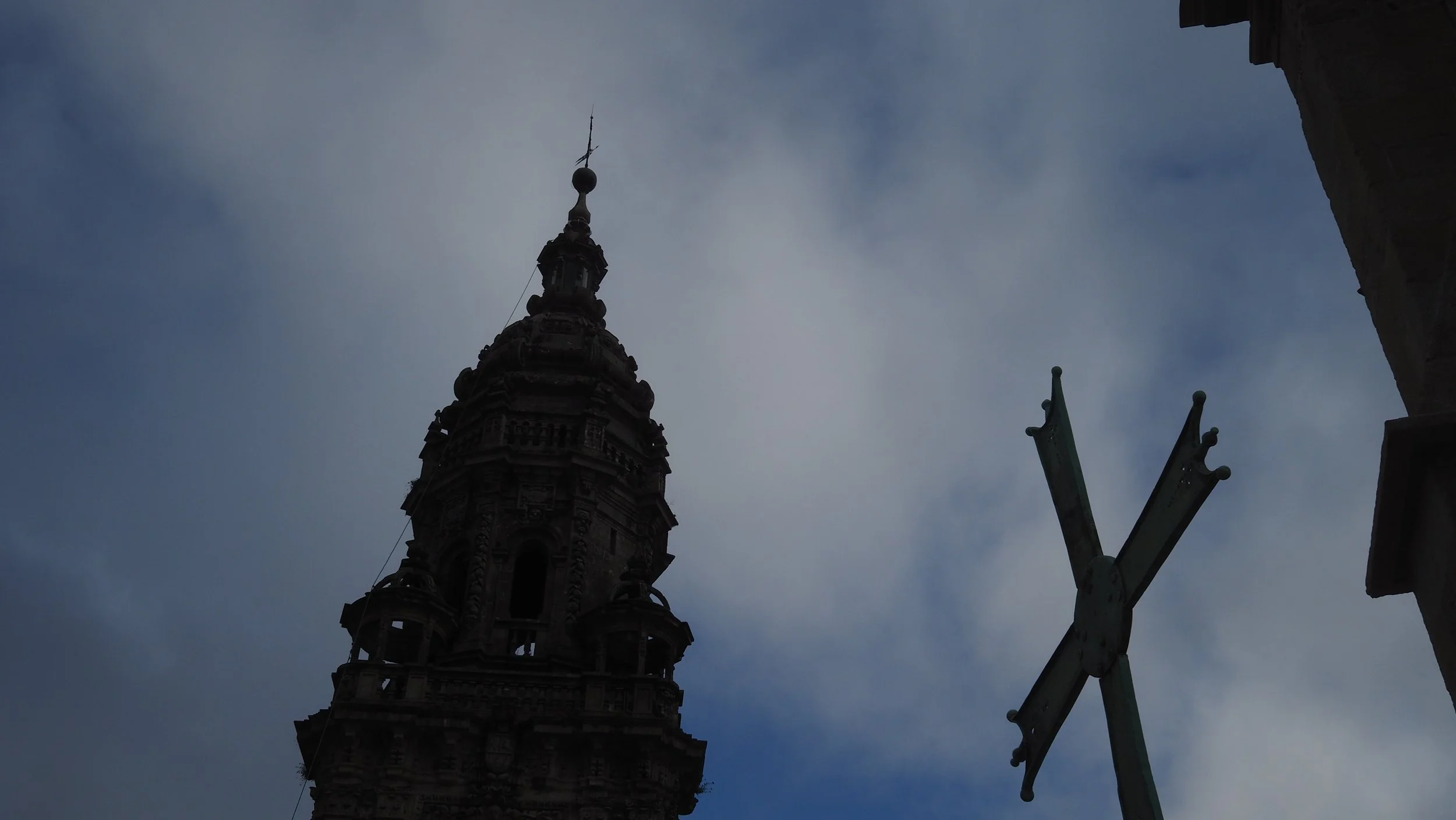
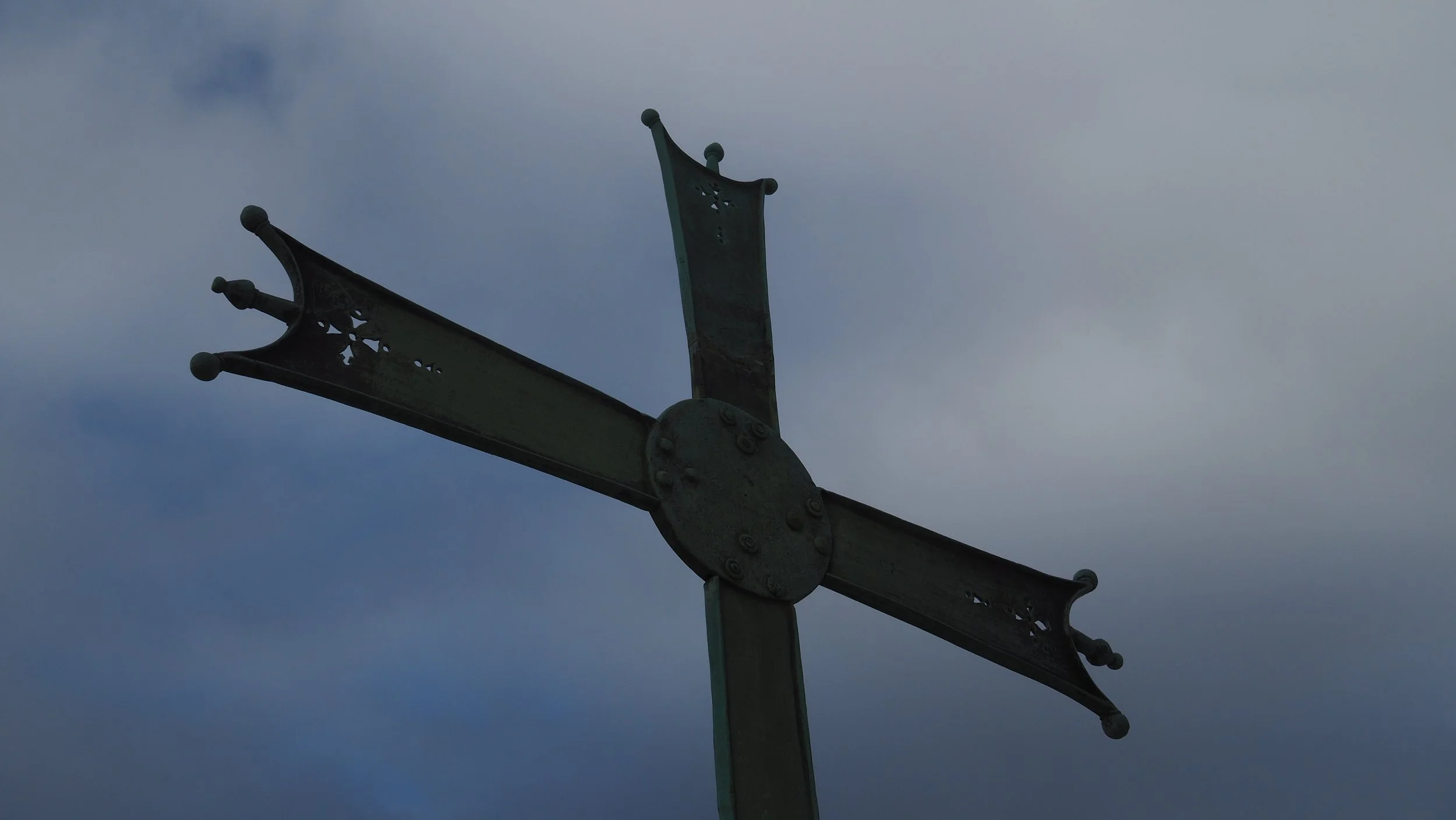
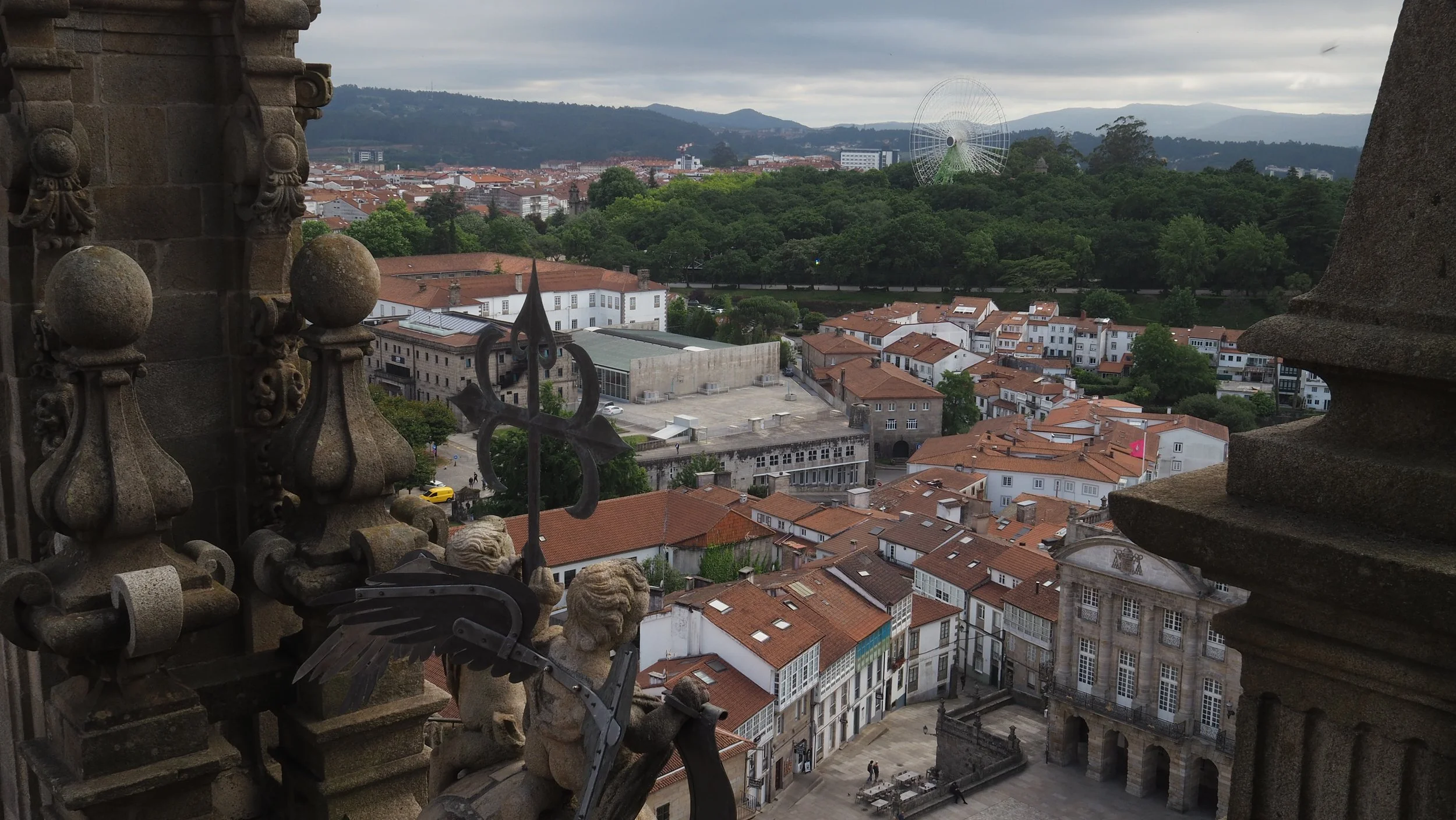
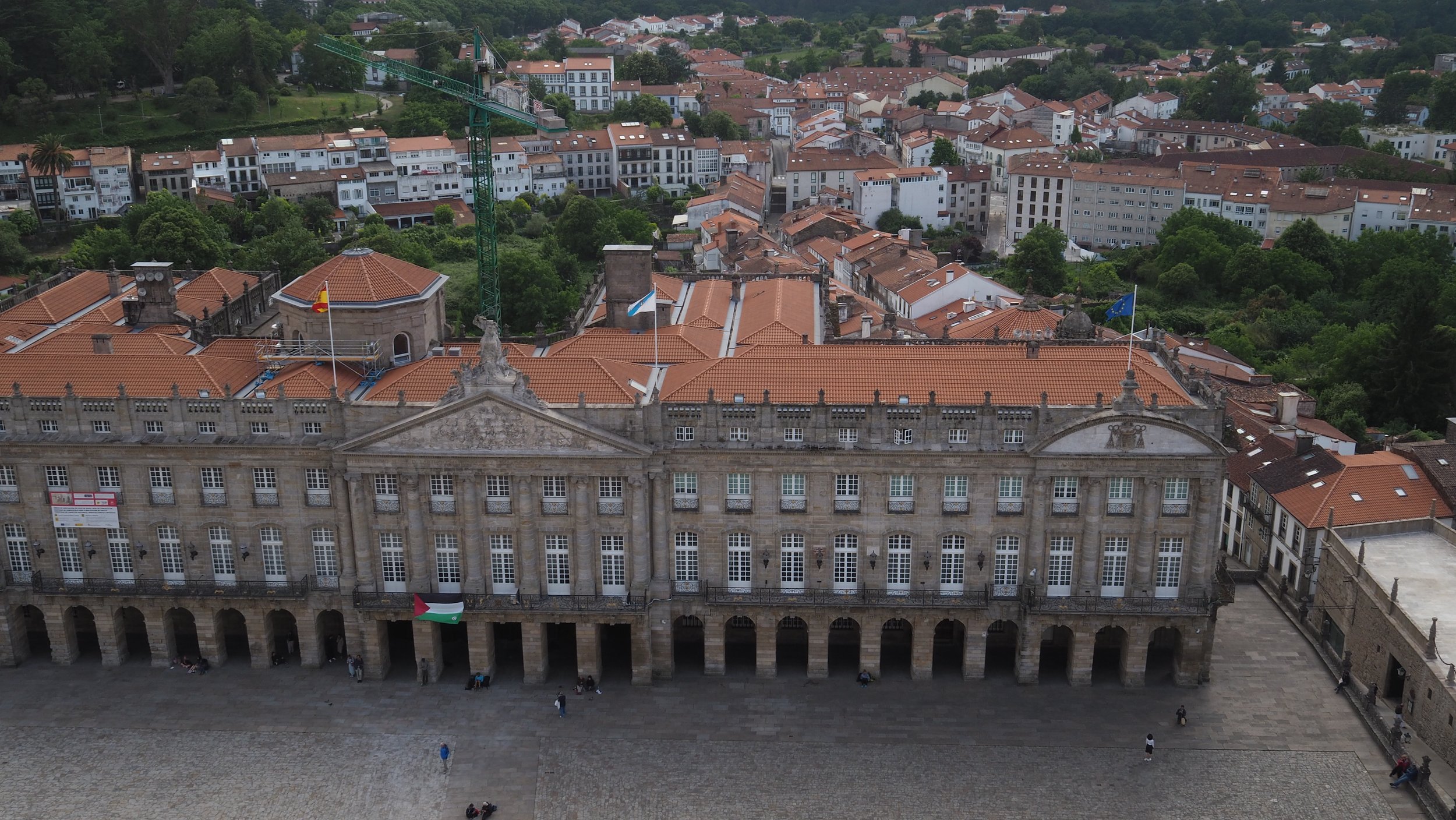
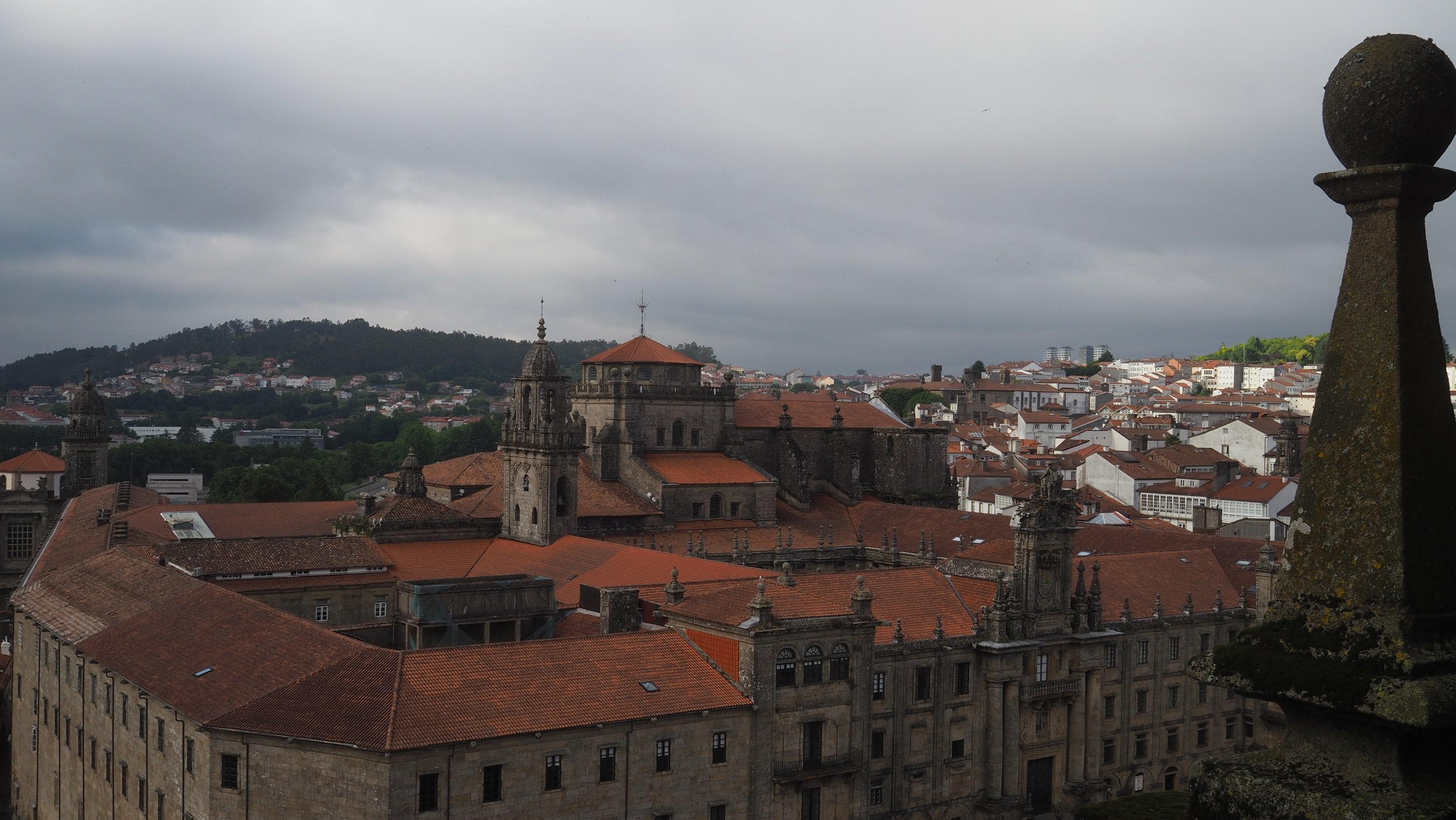
the rooftop tour of the cathedral was very good fun. the lady told many stories - whether they are all true, i can’t say. judge for yourselves.
way back in 813 or 814, a hermit named pelayo spotted some strange lights hovering over a forest here in galicia. the local bishop fasted for a few days and then declared that it must be the tomb of the apostle saint james, santiago.
king alfonso II ordered a small stone chapel to be built on the spot. king alfonso III had a much larger church built (it seems it was about growth back then also), but the good times were temporarily halted in 997 when the muslim commander al-mansur burned the building to ashes.
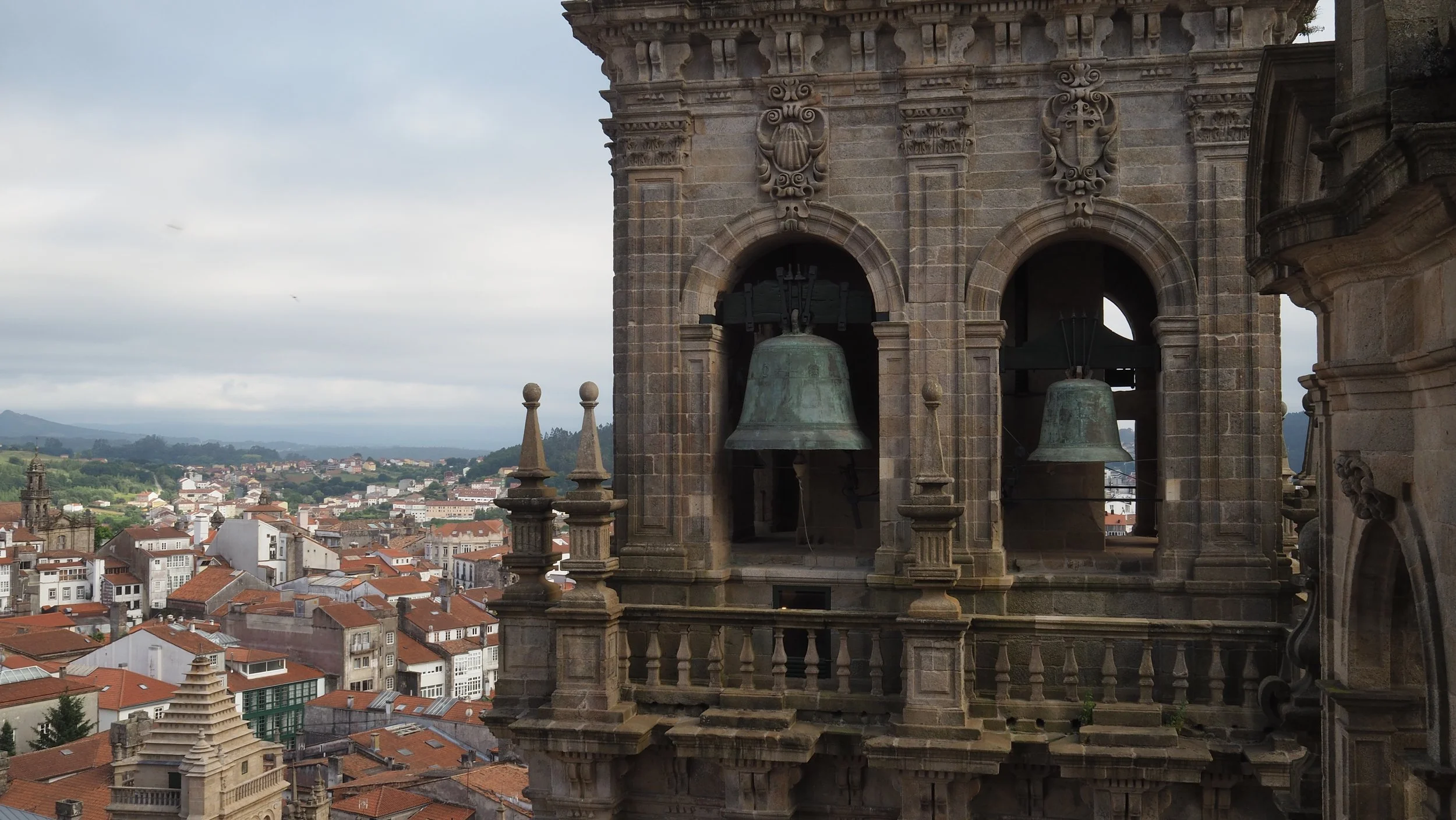
he left the saint's relics untouched, but he did force christian captives to lug the church doors and bells all the way to córdoba for the mosque there. they needed building materials.
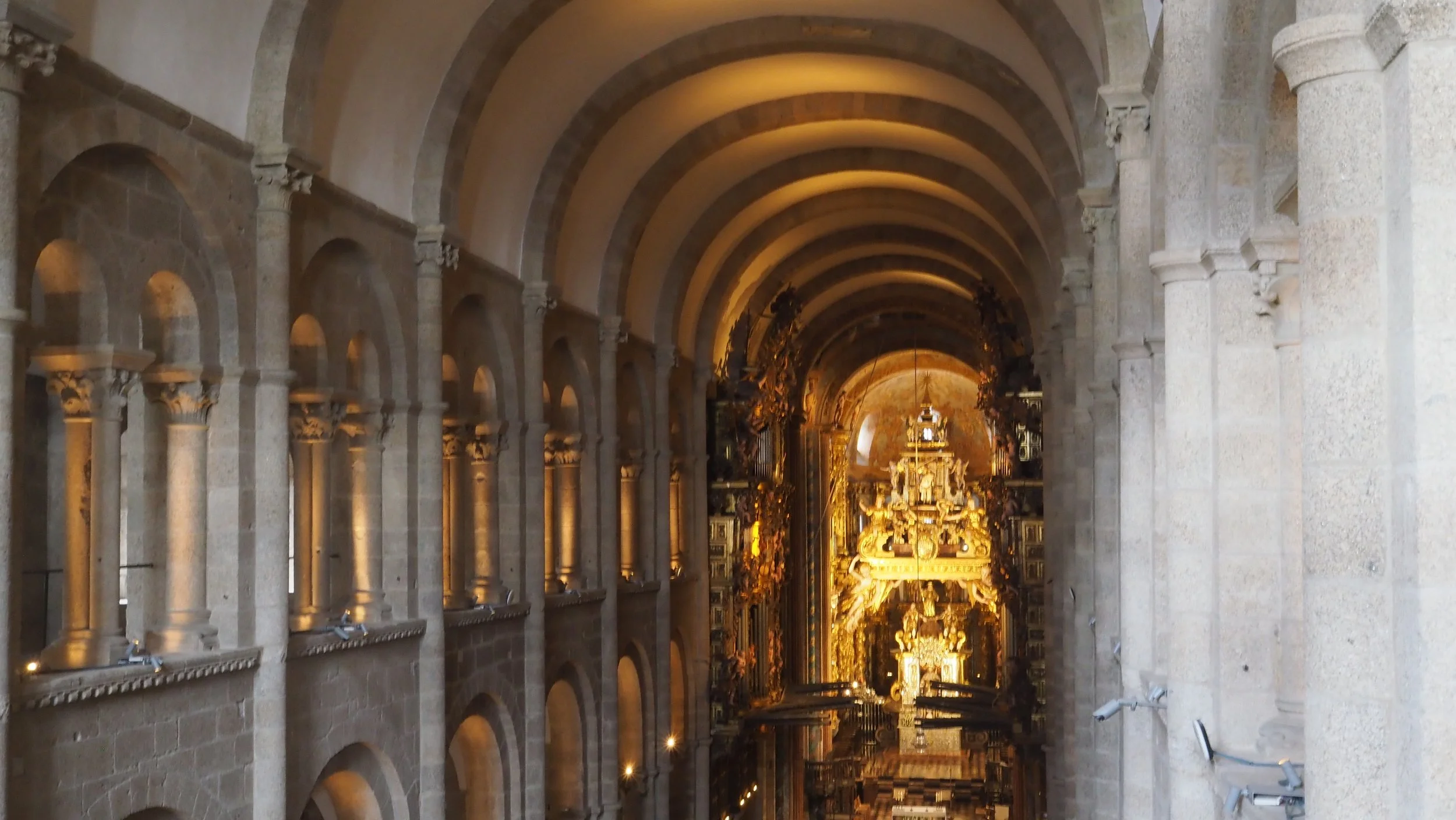
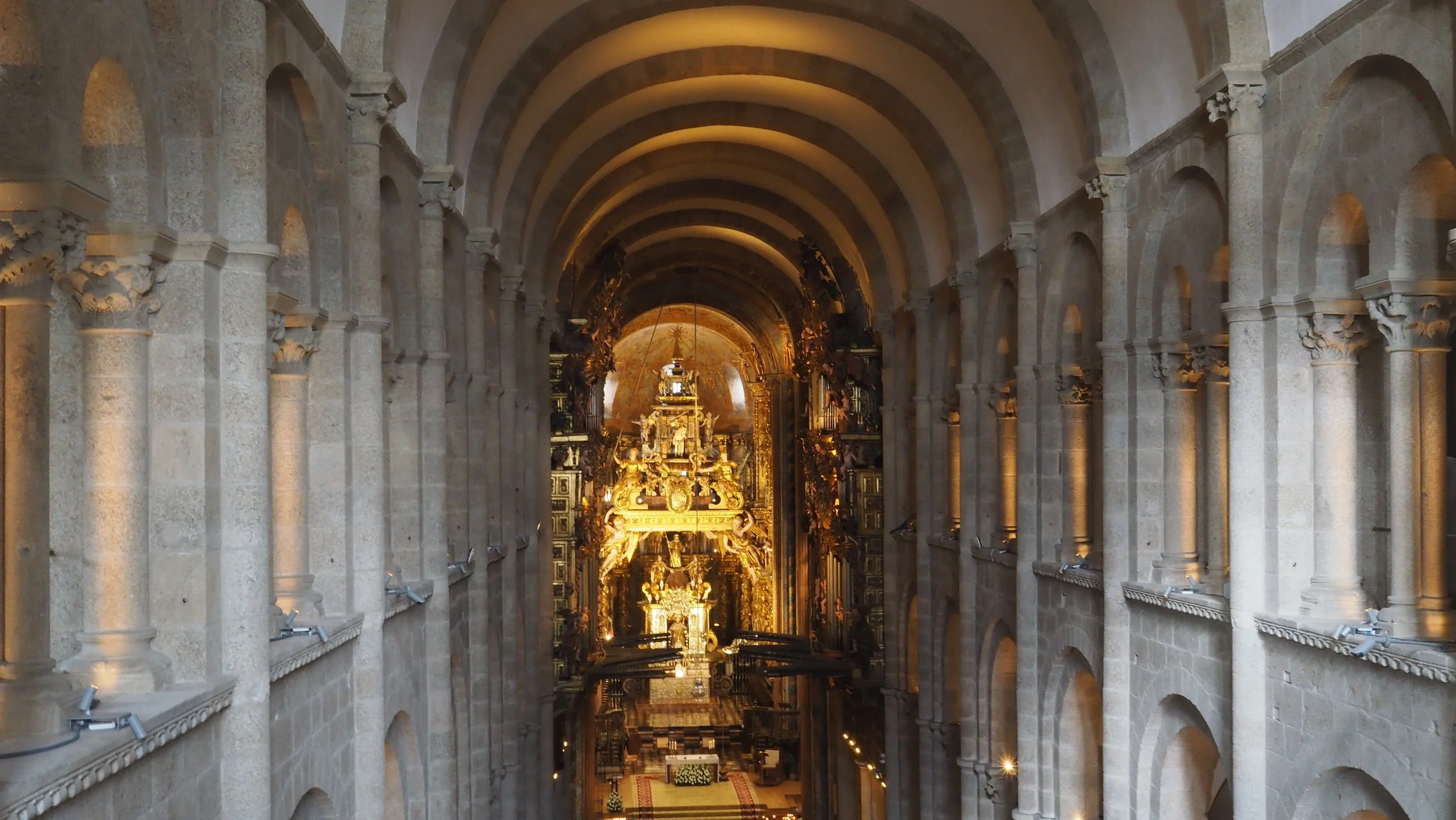
by 1075, it was time for a romanesque upgrade, with more splendor being added in the 12th century - the time of the genius architect maestro mateo, who sculpted the famous portico de la gloria between 1168 and 1188.
he included a kneeling statue of himself into the design, where generations of students and pilgrims reportedly headbutted his stone head hoping to absorb his architectural wisdom.
the popularity of santiago as a pilgrim site brought some problems. one of them was the smell of thousands of exhausted, sweaty, and unwashed pilgrims. they didn’t have albergues with showers and single-use bed covers back then.
the church's brilliant solution was the botafumeiro. a gigantic, 80 kilogram heavy smoking basket swinging across the church and acting as the ultimate medieval air freshener to mask the stench.
centuries passed, and the cathedral kept getting more architectural facelifts. new walls at the southern end of the compound, and, the 18th-century baroque obradoiro facade, designed to protect the famous portico from the relentless galician rain.
another robbery, this time the original solid silver botafumeiro - donated by king louis XI of france - was commited by napoleon’s troops, also of france. they may have needed it for their own stench?
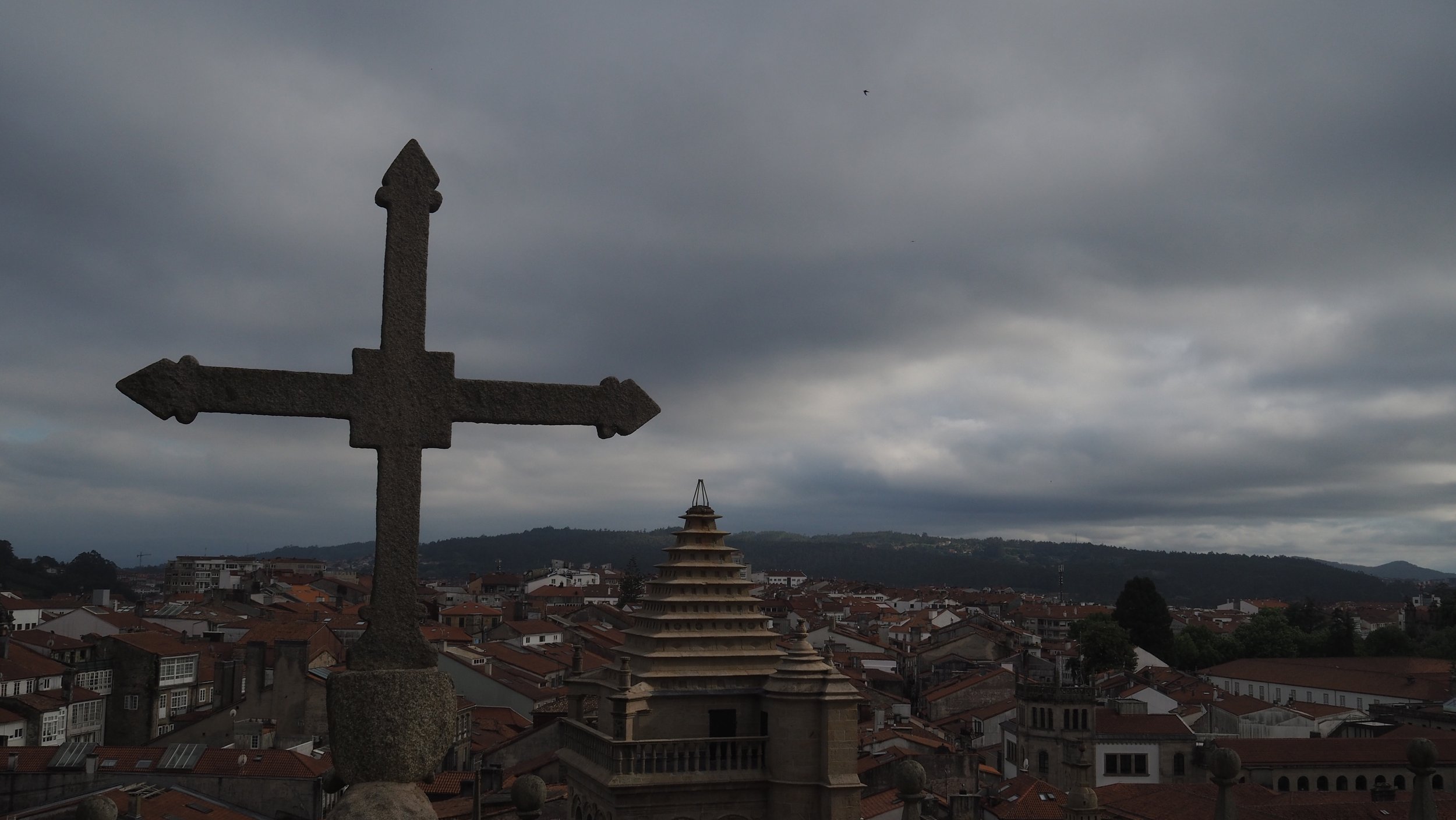
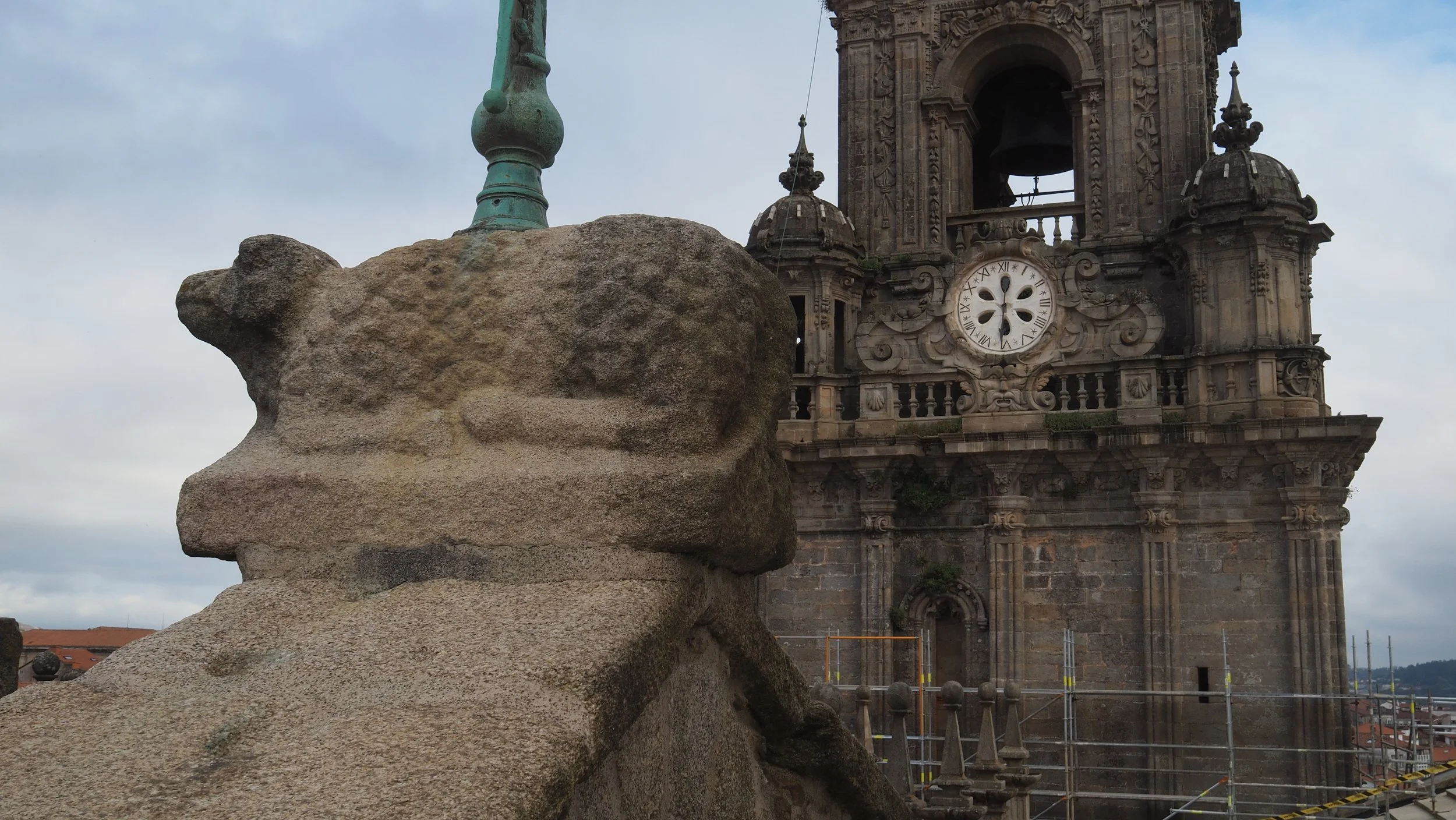
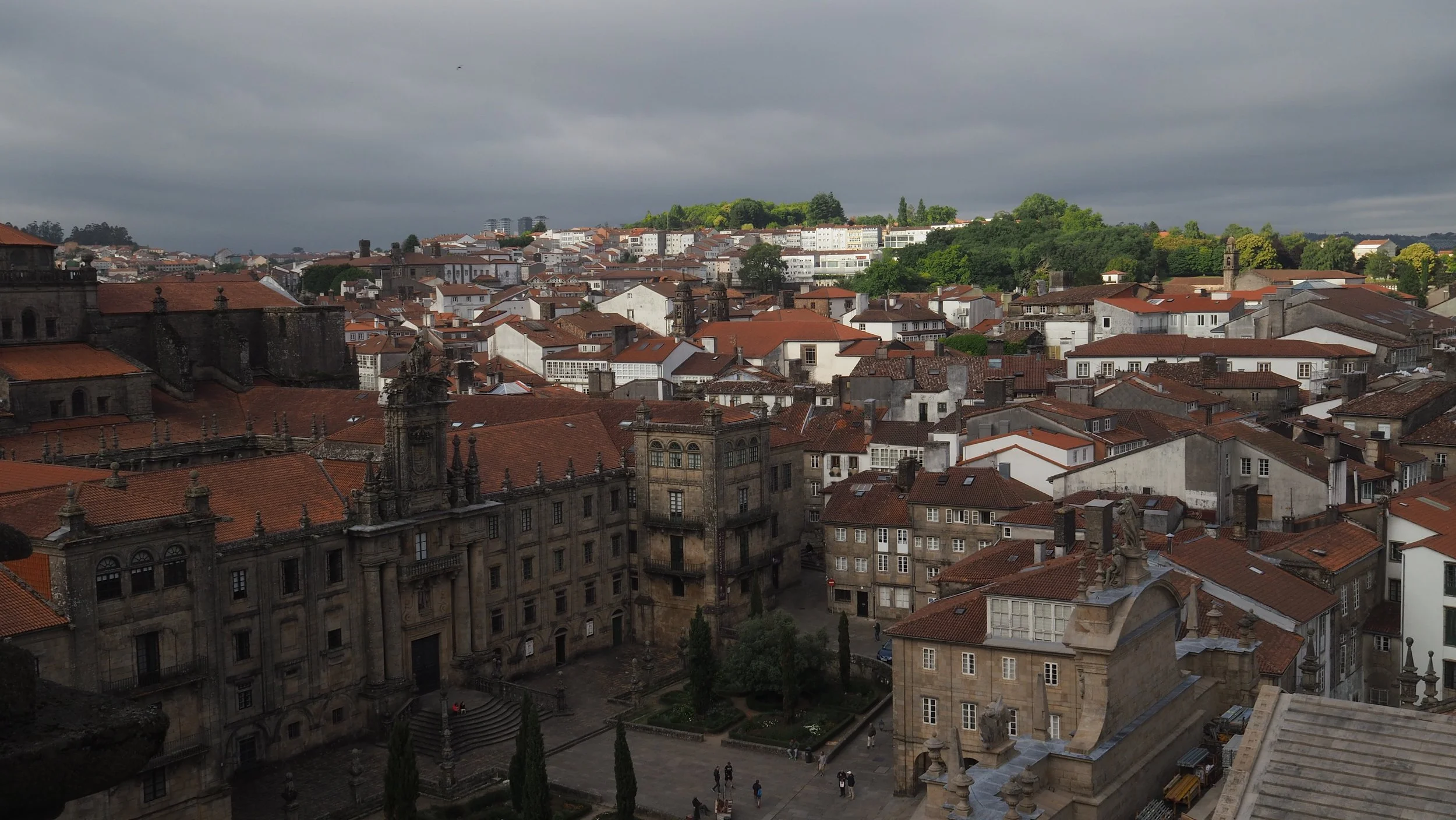
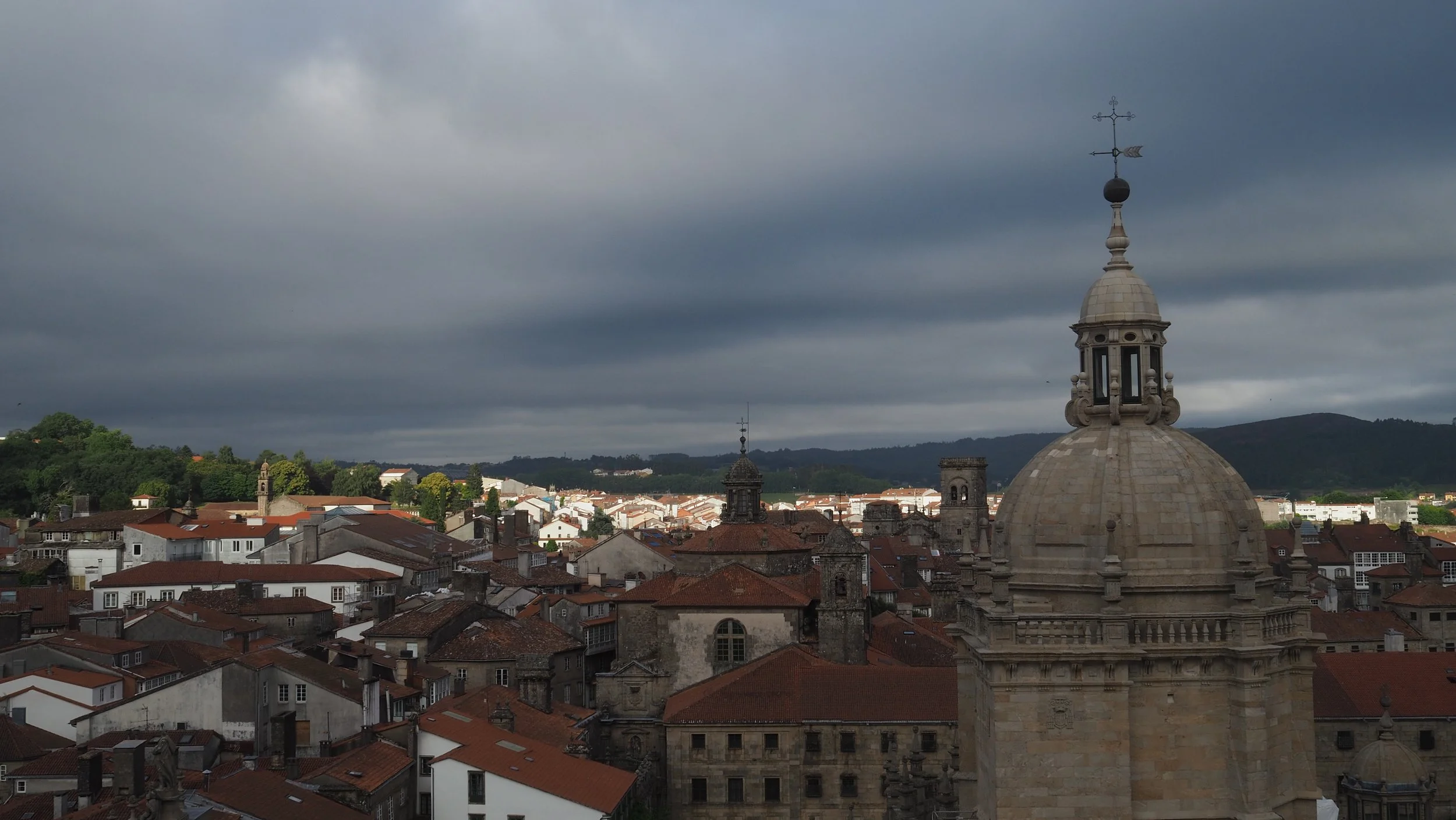
on the roof, one can see on photo 5 below, where the campañero - in charge of ringing the church bells on all sorts of occasions, more or less every quarter of an hour and for mass services, et cetera - had his house. apparently with a garden and large enough for a family of five. chicken, a cabra also. there even was a football pitch. not sure i believe that!
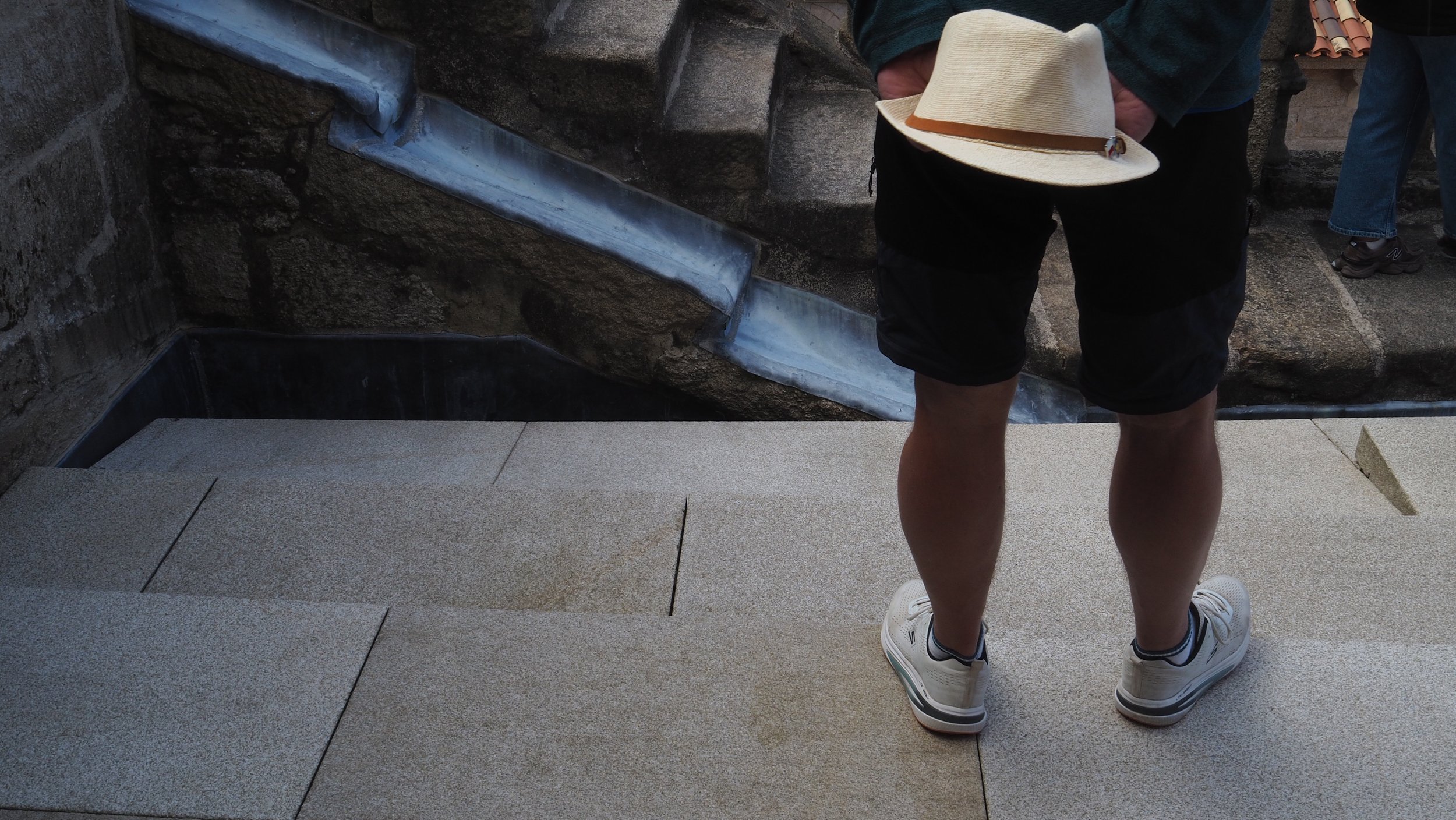
today there is this basin on top of the cathdral that for centuries served the purpose of washing pilgrims’ clothes, before they could enter the cathedral. they still replaced the stolen botafumeiro, so that pilgrims today can hope that it will be swung during pilgrims’ mass - just for the spectacle, no longer for the smells (we all hope).
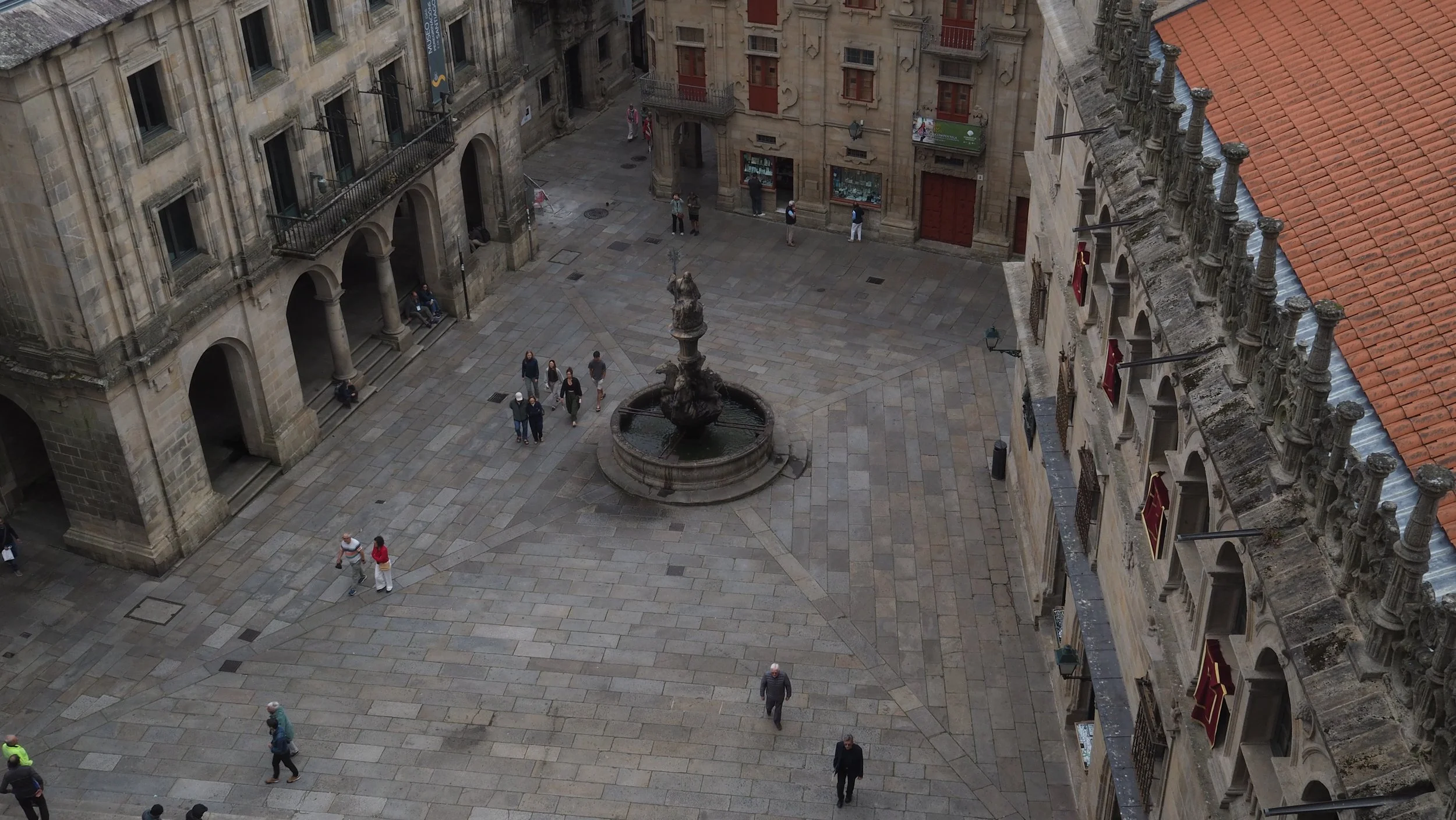
below the cathedral there is this plaza - praza da quintana de vivos y praza da quintana de mortos. literally, place of the place of the living and place of de place of the dead. a former cemetry, it is a market square these days.
a few stairs down another praza - fonte dos cabalos, with the fountain of the horses. a woman statue on top, holding in her hand an estrella - the lady says, an estrella galicia. cheers everybody.